
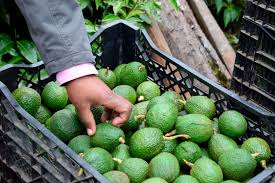
Growing Goodness: A Closer Look at Fruit and Vegetable Farming—Especially Avocados
In a world increasingly turning to healthier diets and sustainable living, fruit and vegetable farming plays a more vital role than ever. From backyard gardens to large-scale commercial farms, cultivating produce isn't just about food—it's about nutrition, livelihoods, and the future of farming. Among the many crops making waves in agriculture today, one green gem stands out: the avocado.
The Roots of Fruit and Vegetable Farming
Fruit and vegetable farming is a cornerstone of agriculture and food systems. These crops are rich in essential nutrients, help ensure food diversity, and are increasingly in demand in both local and international markets.
This type of farming offers several benefits:
-
Nutrition: Fruits and vegetables are crucial for fighting malnutrition and lifestyle diseases.
-
Economic opportunity: These crops tend to fetch better market prices, especially when grown organically or for export.
-
Environmental sustainability: Many fruits and vegetables can be grown in diversified cropping systems that improve soil health and biodiversity.
Why Avocados Are in the Spotlight
The avocado, once a niche fruit, has become a global phenomenon—famous for its creamy texture, healthy fats, and superfood status. Known as “green gold” in some farming communities, avocado farming is booming across continents.
1. Nutritional Powerhouse
Avocados are packed with:
-
Heart-healthy monounsaturated fats
-
Fiber
-
Potassium (even more than bananas!)
-
Vitamins E, C, B6, and K
This nutritional value makes them popular in diets ranging from keto to vegan.
2. Global Demand
Driven by consumer trends toward healthy eating, global demand for avocados has surged. Countries like Mexico, Kenya, Peru, Colombia, and South Africa are now major exporters, while regions like North America and Europe are top consumers.
3. Farming and Cultivation
Avocado trees thrive in warm, subtropical to tropical climates with well-drained soils. Common varieties include:
-
Hass (most popular and widely exported)
-
Fuerte
-
Bacon
-
Reed
Key aspects of avocado farming:
-
Climate: Requires moderate rainfall and temperatures between 16°C–26°C.
-
Soil: Prefers slightly acidic, loose, well-drained soil.
-
Watering: Deep but infrequent watering promotes strong root development.
-
Spacing: Trees should be spaced about 5–7 meters apart.
-
Harvesting: Fruits are picked when mature but ripen off the tree, usually 6–8 months after flowering.
4. Challenges in Avocado Farming
Despite its popularity, avocado farming comes with hurdles:
-
Water use: Avocado trees need a lot of water, which can strain local resources in drought-prone areas.
-
Pest and disease control: Root rot and pests like thrips can impact yields.
-
Market volatility: Prices fluctuate with oversupply and global demand trends.
-
Sustainability concerns: Deforestation in some regions to expand avocado plantations raises environmental alarms.
Toward Sustainable Avocado Farming
Sustainable avocado production is essential for long-term success. This includes:
-
Using drip irrigation to conserve water.
-
Practicing agroforestry by integrating avocados with other crops or native trees.
-
Encouraging organic practices to reduce chemical use.
-
Supporting fair trade and local cooperatives to ensure farmers earn fair wages.
Final Thoughts
Fruit and vegetable farming is more than just planting and harvesting—it’s a dynamic, evolving sector full of opportunity. Avocados, in particular, represent the promise and challenges of modern farming. Whether you're a smallholder farmer or a health-conscious consumer, understanding the journey of this green fruit helps us all appreciate the value of sustainable agriculture.
Next time you slice open an avocado for your toast or smoothie, remember: behind every creamy bite is a network of growers, ecosystems, and practices working to bring healthy food from farm to table.
